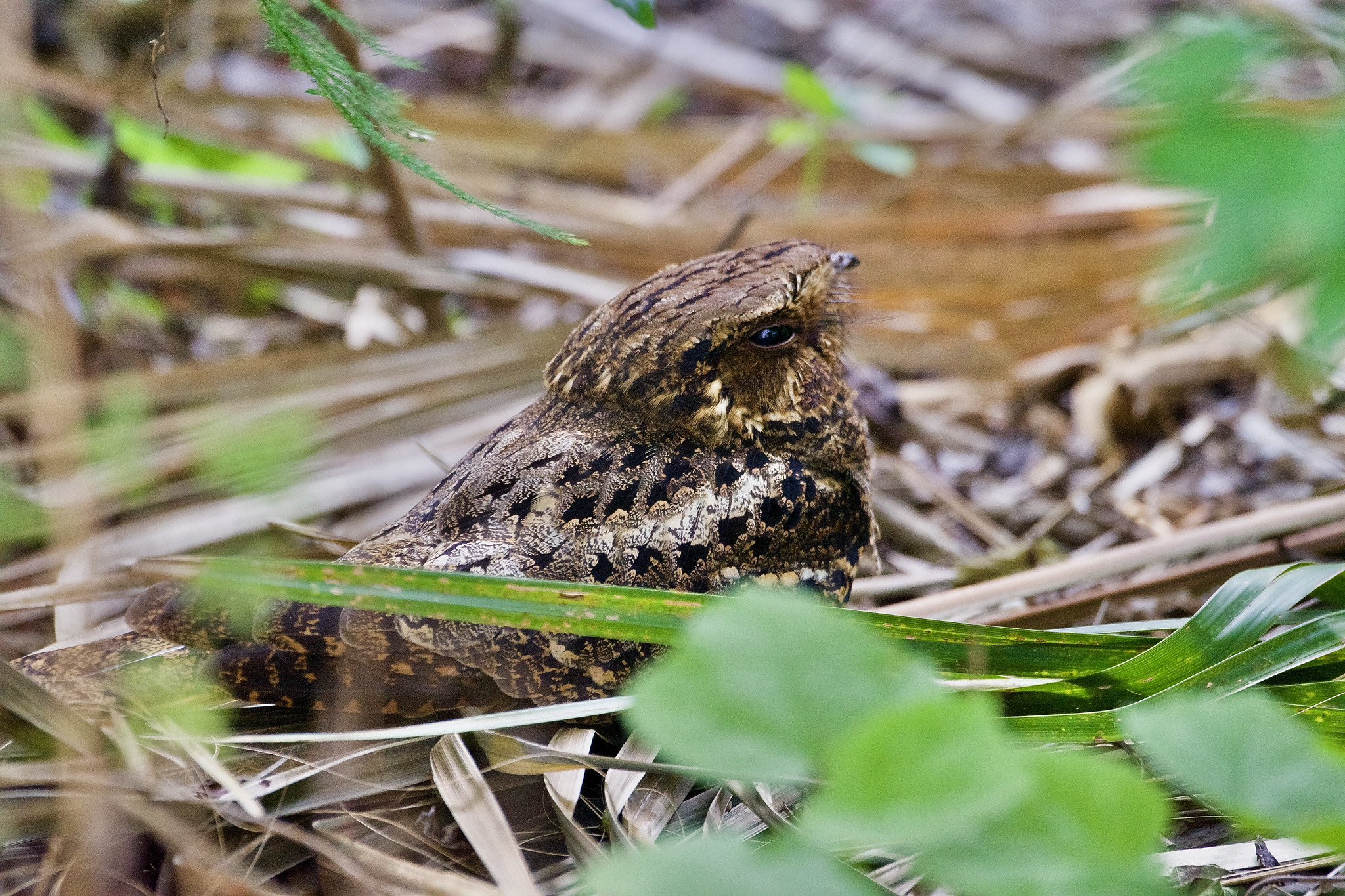
Across most of the U.S., spring precedes the return of nightjars. And yet spring isn’t spring until the first nightjar sings: “Whip-poor-will” through much of the eastern United States, “poorwill, poorwill” here in the Rocky Mountain west. But as iconic as these calls are, there’s so much we don’t know about our goatsuckers. To ready for spring, I’ve been chatting with birding organizations about America’s nightjars.
My talks begin with a little name-calling! Goatsucker?! Nightjar?! After brief backgrounds on these names, I turn to a bit of natural history on this remarkable family of birds. I’ll show you why you’ll almost never see a nightjar and why I think every species in the family has a superpower or two.

I end with the cultural history of Whip-poor-wills: how they signal season change and what it means to us when the species declines on our landscape. I touch on a little bit of everything in this — from Thomas Jefferson’s insistence that his daughter Mary listen for Whip-poor-wills to contemporary poetry to my own trip to New York to try to hear the birds.
For past and upcoming stuff, see my events page.
Featured Photo.
Chuck-will’s-widow by flickr user OHFalcon72. Some rights reserved.
Leave a Reply