In his short life, the poetry of Madison Cawein–the “Keats of Kentucky“– garnered only modest recognition, little of it lasting for its commitment to traditional forms and rhyme. He was, however, prolific–especially if measured by the amount of verse he penned invoking Whip-poor-wills.
“The Old Remain” is from his 1913 collection, Minions of the Moon. The poem is a mostly forlorn plaint to the consequences of urbanization and the mobility that modernity offered.
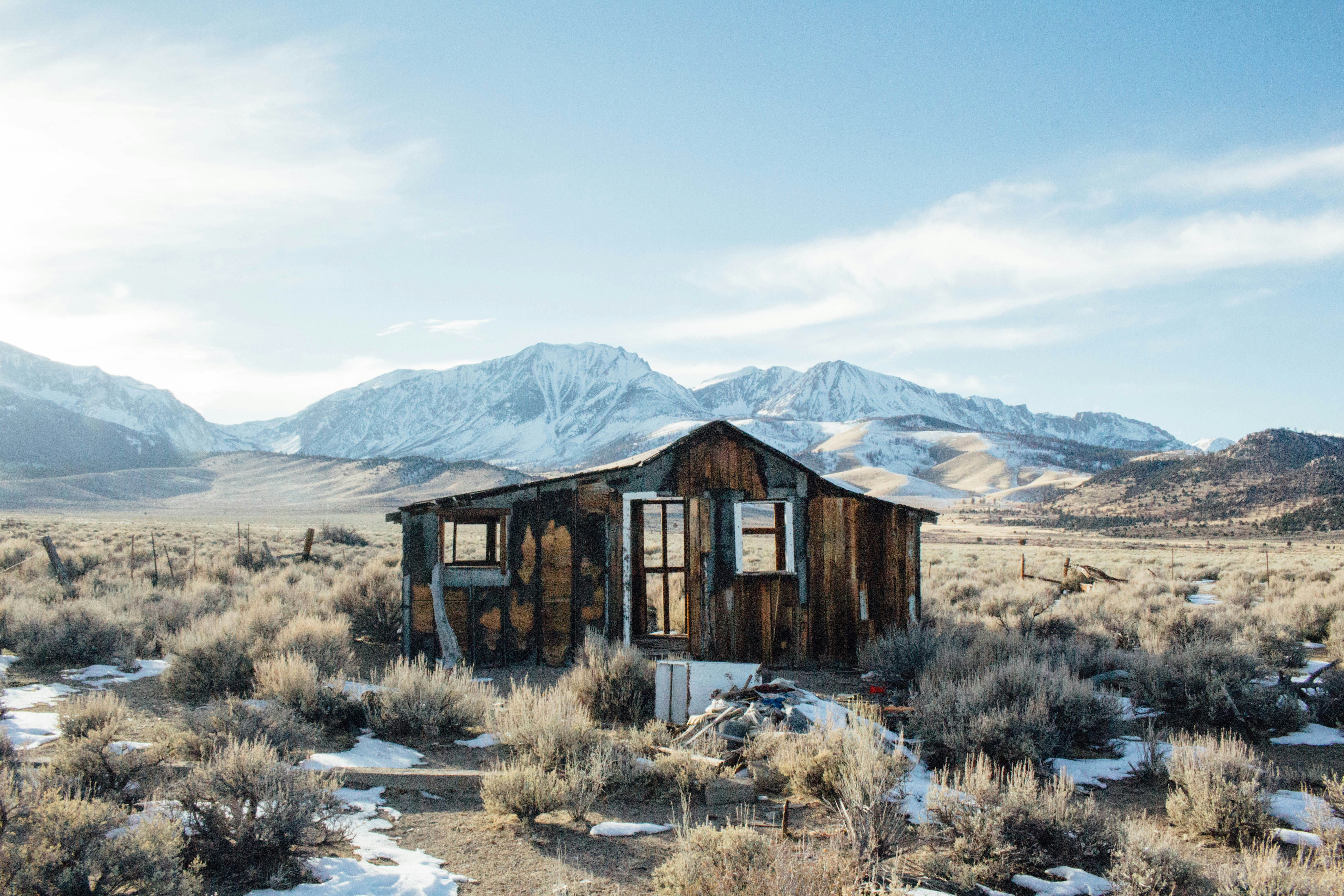
Where the old remain, the young are gone. So says the Whip-poor-will.
The Old Remain
The old remain, the young are gone.
The farm dreams lonely on the hill:
From early eve to early dawn
A cry goes with the whippoorwill—
“The old remain, the young are gone.”
Where run the roads they wander on?
The young, whose hearts romped shouting here:
Whose feet thrilled rapture through this lawn,
Where sadness walks now all the year.—
The old remain, the young are gone.
To what far glory are they drawn?
And do they weary of the quest?
And serve they now a king or pawn
There in the cities of unrest?—
The old remain, the young are gone.
They found the life here gray and wan,
Too kind, too poor, too full of peace:
The great mad world of brain and brawn
Called to their young hearts without cease.—
The old remain, the young are gone.
They left us to our Avalon,
The ancient fields, the house and trees,
Where we at sunset and at dawn
May sit with dreams and memories.—
The old remain, the young are gone.
Dear Heart, draw near and lean upon
My heart, and gaze no more through tears:
We have our love; our work well done,
To help us face the wistful years.—
The old remain, the young are gone.

Leave a Reply