
Last September, I traveled to New York State to try to hear a Whip-poor-will. The time was only partly right to hear them, which is another way of saying it was partly wrong.
Sure, the moon was full, and Whip-poor-wills sing more vigorously under a full moon. But it was September. Autumn migration approached. Whip-poor-wills tend not sing regularly in late-summer and early-autumn.

And so, for days, the trip seemed futile. My brother and I drove around the Hudson Valley — stopping at roadside pull-offs, state parks, camp sites. We put our hands to our ears, amplifying distant sounds. A Barred Owl. Endless frogs. Passing traffic. But no Whip-poor-will.
After three or four nights like this, I began worrying at I’d crossed the country to tell a the story of not hearing a Whip-poor-will. And as I free wrote, that’s what, in fact, it was.
And then it became something else: a story of environmental worry, a story of loss and nostalgia, and a story, eventually, of the icon of the eastern woods.
A few days ago, Audubon published my essay, “As the Whip-poor-will’s Chant Wanes, Our Cultural Loss Grows,” about all of this. The essay was a thrill to write. And it was so rewarding to work with an editor at the organization to revise (thoroughly!) into what it is.
And it comes with a Spotify playlist. 🙂
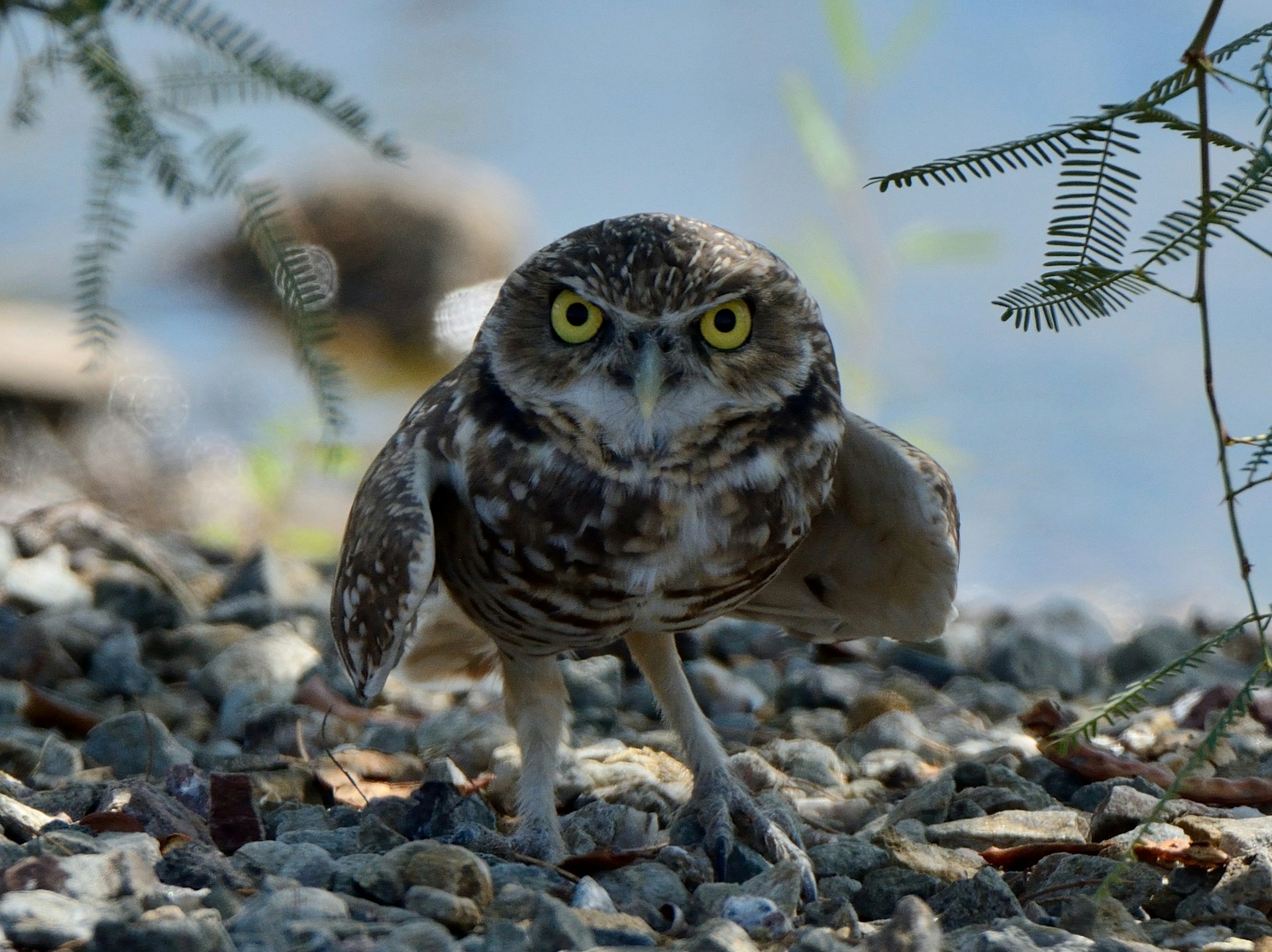
Featured photo by Tom Benson


Leave a Reply