Human language and bird lives are intricately connected. This is the first in a series of posts that shows how.
Academic writers rely on jargon, technical terminology to describe the phenomena we study.
Jargon may have some value. For those in the know, technical terms are a shortcut for complex ideas. For instance, you’d likely see an audience of sociologists bob their head in recognition when a speaker invokes “institutional isomorphism.” (I use this example only because I recently saw an audience of sociologists, myself included, bob our head in recognition of a speaker invoking institutional isomorphism.)
But even if jargon is necessary, academics’ reliance on it makes our writing indecipherable by many readers. And rarely do our readers tell us how much they appreciate our use of jargon.
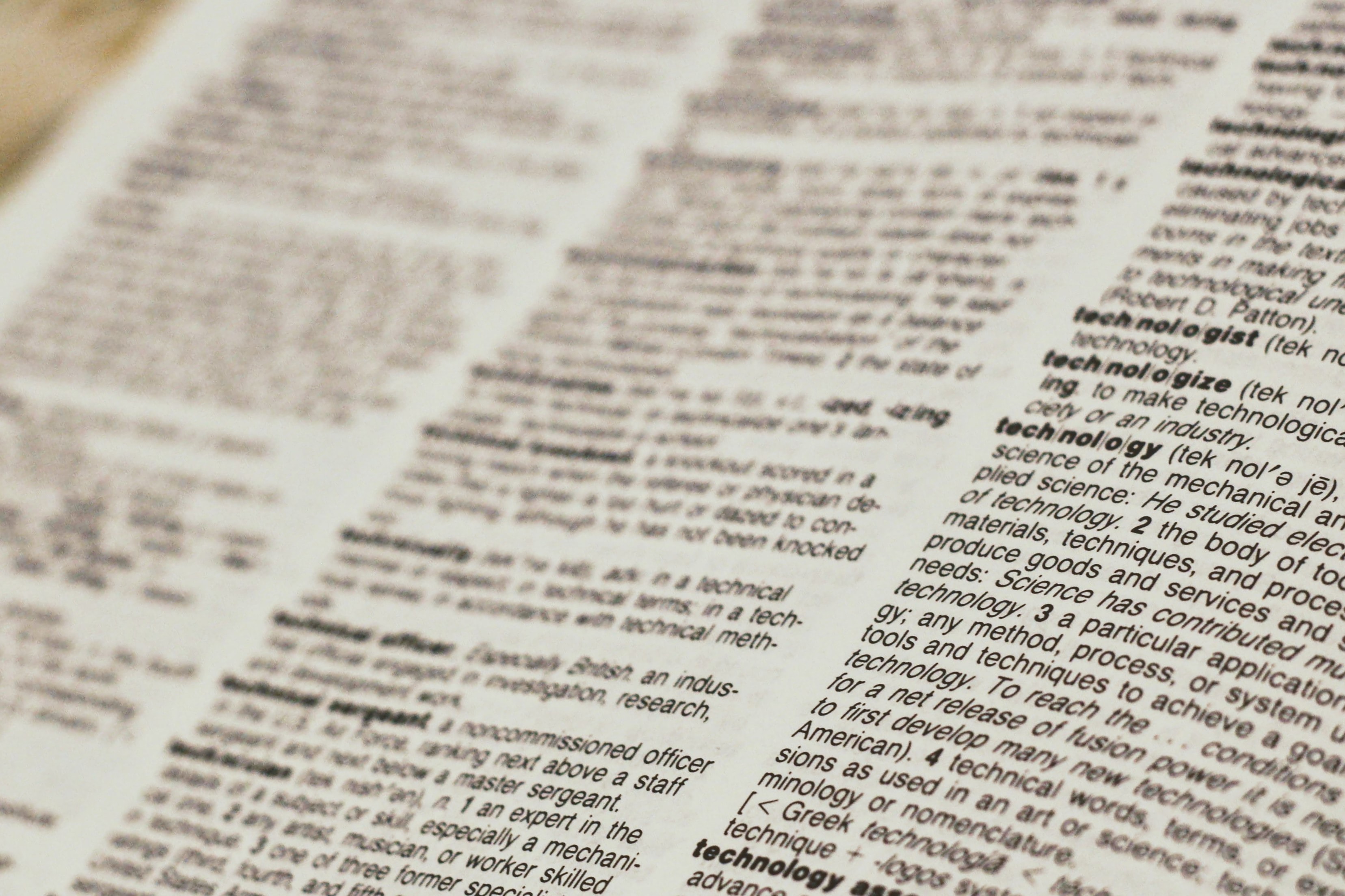
Because I associate jargon with the most listless, uninspired academic writing, I was surprised to learn (from a colleague in the Writing Program at the University of Denver) that word’s etymology draws on the world of birds.
According to the Oxford English Dictionary, the earliest use of the word “jargon” is as a verb meaning to make a range of bird sounds — to warbler, twitter, and chatter. This use dates to the 1360s, approximately.
Quickly, the word came to be used to describe people using nonsense language, as a bird warbles, tweets, and chatters. Chaucer used it in this sense, comparing a person to a bird (a magpie, apparently): “He was al coltissh ful of ragerye And ful of Iargon as a flekked pye.”
Jargon bring us closer to the birds. There’s a House Wren in the journals, a Winter Wren in the stacks.
Featured Photo by Joshua Hoehne on Unsplash

Leave a Reply