One of the more surprising things to encounter while researching Whip-poor-wills is just how often the bird’s name — and various other species’ names, too — show up in 19th century educational materials.
In 1842, for instance, the Connecticut Common School Journal offered a program for slate and blackboard instruction: “Slate and Blackboard Exercises.”
As an educator, I heart this window into earlier educational moments. Today, the article would be on Learning Management Systems.
The program includes instructions and word lists for teaching children how to spell words within various classes of words: common garden flowers, field and forest flowers, and common birds, for instance.
The lists are revealing of the time, the taken for granted assumptions about young people’s worlds, and the priorities of CT educational systems. They also reveal how much has changed since 1842. After all, do most adults now know the name of the common field and forest flowers: may-weed, johnswort, woodbine, barberry?
The bird list is captivating, a mix of generic types of birds (sparrow, humming bird, hawk, and heron) with specific species of birds (martin, woodcock, snipe, and Whip-poor-will). The latter are not especially familiar to non-birders (and perhaps not to most birders even). They require an effort to encounter — visits to marshes, bogs, and woods at dawn and dusk, or later.

Whip-poor-wills appear in a range of educational materials in the mid-to-late 18th and early 19th centuries, including songs, poetry, and word lists. More on this in future posts.
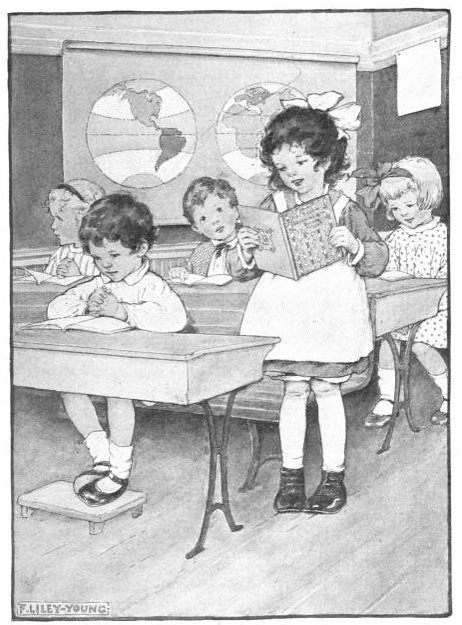
Featured image from The See and Say Series, Volume 2 (1914)

Leave a Reply