
In the early 20th century, ornithologists began noticing that Whip-poor-wills were disappearing from the American landscape. As they declined, so, too, did their iconic three-note song. It didn’t take long for country singers to also notice the change. Nostalgia for the song of Whip-poor-wills is now a recurring themes in country songs mentioning the species. Here are six of those songs, the Whip-poor-will’s included, to remind you of the iconic sound of summer nights.
The Song of the Whip-poor-will
Okay, so it’s not a country song. But the song of the Whip-poor will is canon. For generations, their famous song shaped the lives of people in the eastern U.S.
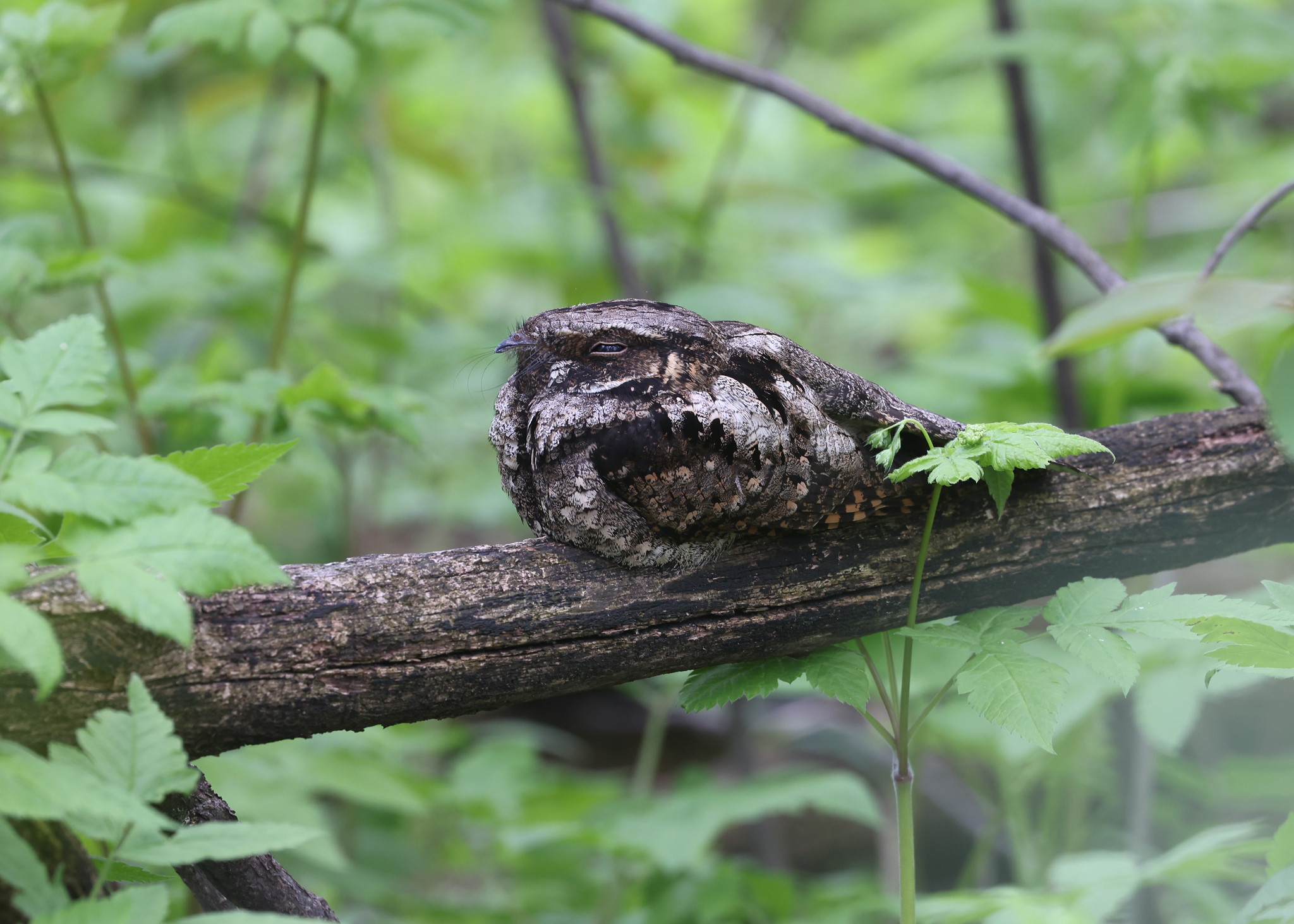
To our ears, Whip-poor-wills sound like they sing a three-note song of “whip-poorwill.” The recording above, which I made in Missouri during a May full moon, captures this.
Over the past century, Whip-poor-will numbers have declined through much of their eastern breeding range in the U.S. and Canada. As for us…many of us now live in cities and suburbs that Whip-poor-wills avoid.
We’re less and less likely to hear the chant of a Whip-poor-will through a summer night. But even in their absence, Whip-poor-wills continue to shape American culture, especially in country music’s nostalgia for rural life.
Stuart Hamblen and His Covered Wagon – “Texas Plains” (1934)
Nostalgia for Whip-poor-wills runs deep in country and country western music. One of the earliest songs to wax nostalgic about Whip-poor-wills is 1934’s “Texas Plains.” Written by Stuart Hamblen and His Covered Wagon Jubilee, the song reminds us of a life lived far from the cities, where we still drink from tin cans, coyotes whine, and Whip-poor-wills call.
Joe South – “Don’t It Make You Want to Go Home” (1969)
A Whip-poor-will roosting on a telephone pole is one of the first images in Joe South’s often covered “Don’t It Make You Want to Go Home.” The song is a classic expression of homesickness. That a Whip-poor-wills kicks the whole thing off is a testament to how much they’ve meant to the people who grow up with them.
Merle Haggard and the Strangers – “Mississippi Delta Blues” (1976)
When Merle Haggard gets “those Mississippi Delta blues,” he feels just about everything people have felt when hearing a Whip-poor-will: “lonely, homesick, and blue.” He misses his home, he misses his mom, and he misses the nights of creeping shadows and calling Whip-poor-wills.
Tracy Lawrence – “If the World Had a Front Porch” (1995)
From learning to cuss to learning to play a guitar, everything once happened on a humble front porch in Tracy Lawrence’s “If the World had a Front Porch.” And it’s there where Lawrence and so many people would greet summer nights to the sound of a distant Whip-poor-will.
Darryl Whorley – “Back Where I Belong” (2002)
A Whip-poor-will is the start of Darryl Whorley’s “Back Where I Belong.” About as homesick as a person can be, Whorley follows the song of a Whip-poor-will as one calls him “back where I belong” to a “little shacked tucked” into the woods.
The Whip-poor-will calls, but Whorley’s song is ultimately one about the impossibility of returning in time. Sure, we can travel back to the old places. But things will have changed and people will be gone. We can hope, though, that Whip-poor-wills still sing there.
Dierks Bentley – “Up on the Ridge” (2010)
Like Whorley, Dierks Bentley wants to leave behind the city lights for a simpler place — where the air is still and “you can hear the Whip-poor-will.” The bird is one of several natural images that fill this song, appearing alongside crickets, owls, and wildflowers. Sure, you’ll find a few of those things in the city. But you won’t find the quiet and dark that gives them their meaning to Bentley.
Want more Whip-poor-will in your life? Subscribe to my newsletter. I’ll tell you more about the book I’m writing on Whip-poor-wills and share the stories, songs, and poems that make the bird so special to us.
Got a favorite song or story about Whip-poor-wills? Or have a question? Tell me about it!
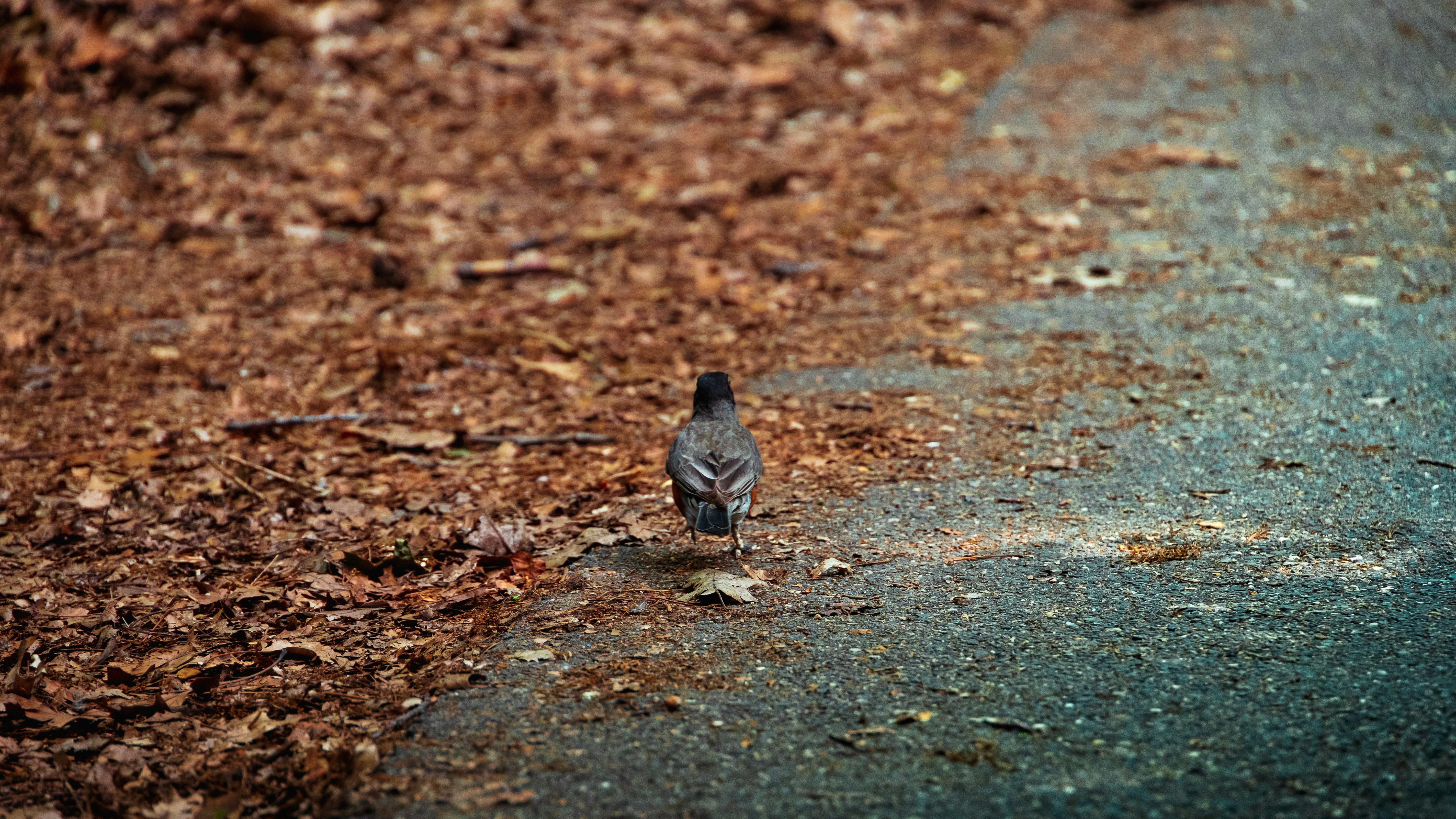
Featured Photo by Melanie Mauer on Unsplash


Leave a Reply