
It seems fitting to move from Neko Case’s “Magpie to the Morning,” which has the Whip-poor-will’s song sung by a Mockingbird, to the country song “Mockin’ Bird Hill.” Written by Vaughan Horton in 1950, “Mockin’ Bird Hill” features a Whip-poor-will singing to the song’s narrator from the aforementioned hill.
When it’s late in the evenin’ I climb up the hill
And survey all my kingdom while everything’s still
Only me and the sky and an old whippoorwill
Singing songs in the twilight on Mockin’bird Hill
Though the singer’s alone in this verse and, indeed, the rest of the song, they don’t strike me as lonely, exactly. Much of the rest of “Mockin’ Bird Hill” is a celebration of life lived humbly, in communication with birds and the land.
Got a three-cornered plow and an acre to till
And a mule that I bought for a ten-dollar bill
There's a tumble-down shack and a rusty old mill
But it's my Home Sweet Home up on Mockingbird Hill
In this regard, the song seems to foreshadow a different strand in the symbolism surrounding Whip-poor-will: the longing for a simple, rural life. I’ve noticed this theme in more contemporary references to the bird. In his 2008 song, “I Still Like Bologna,” the country singer Alan Jackson lists the Whip-poor-will with other, simple things: the aforementioned meat product, white bread, grass, and a “good woman.” He contrasts these with particularly modern things that he could live without: 500 channels, cellphones, satellite communication, and the like.
Horton recorded “Mocking Bird Hill” with his band The Pinetoppers. The song appeared in Billboard’s “Top 10 Most Played Jukebox Folk (Country and Western) Songs” in late-December, 1950. In March 1951, it entered Billboard’s top 10 list for “Country and Western Records Most Played by Folk Disk Jockeys.” The song would eventually peak at #3, and it would appear in the Top 10 for two other performers: Les Paul & Mary Ford (also in 1951) and Donna Fargo (1977).
I couldn’t get through my first listen to this song (Paul & Ford’s version), as full of treacle matter as it is. (Thank you to my friend and colleague Geoff Stacks for that word “treacle.”) The song hasn’t exactly grown on me in the 24 hours since that listen. But I think I more fully understand and appreciate its sentimentality.
Written within five years of the end of World War II and at the beginning of the suburbanization of the country, “Mockin’ Bird Hill” expresses a longing for basic, simple connections to land, nature, and bird song. It strikes me as not that dissimilar from the affirmation-rich songs of now — amid the disruptions of COVID-19, climate change, and the politics of Trump — created by musicians as stylistically diverse as Lizzo (“About Damn Time”), Arcade Fire (“Unconditional (Lookout Kid)”) and Titus Andronicus (“We’re Coming Back”).
Not every Whip-poor-will is lonesome. But the nostalgia and longing of the Whip-poor-will of “Mockin’ Bird Hill” may be no less sad.
Image Credit
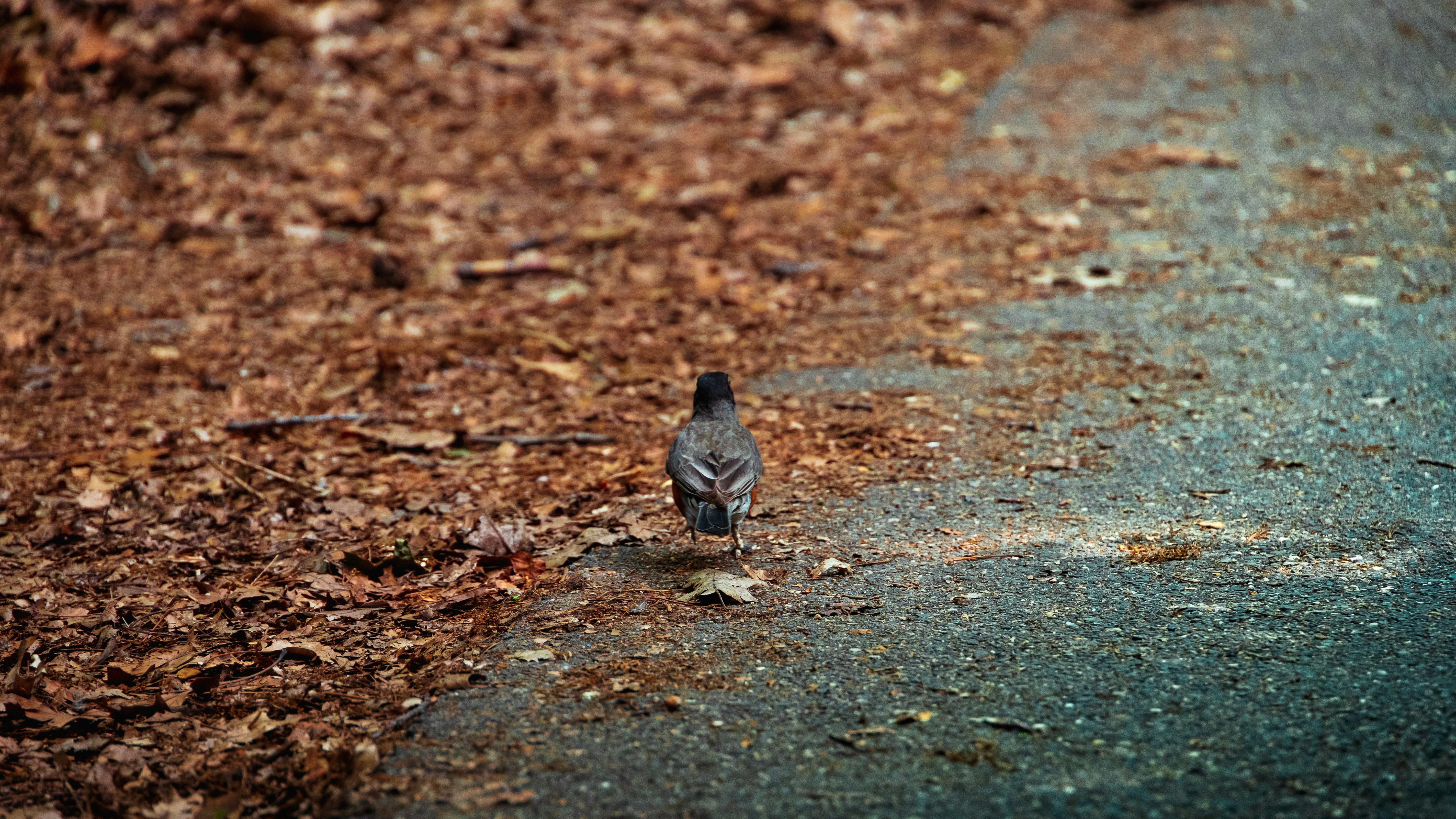
Northern Mockingbird by Joshua J. Cotten (Unsplash), Mathis, TX (USA)


Leave a Reply