|

|
|
|
In mid-May, between the arrival of Common Poorwills and Common Nighthawks, I sent my book to the NYU Press, who will be publishing it in their "Animals in Context" series. It's with them now, though it'll return to me soon enough for the final rounds of work: copy-editing, indexing, and the like. Along the way, NYU Press will design a cover, finalize a title, and turn what's currently a long Word document -- 65,000 words or so in 12 short chapters between a shorter preface and epilogue -- into an actual book!
|
This usually takes about 12 months -- so, fingers crossed, its publication will happen sometime between the return of poorwills and nighthawks to Colorado next May. Just in time, too, for Whip-poor-wills to return to their forests in the eastern U.S.
|
|
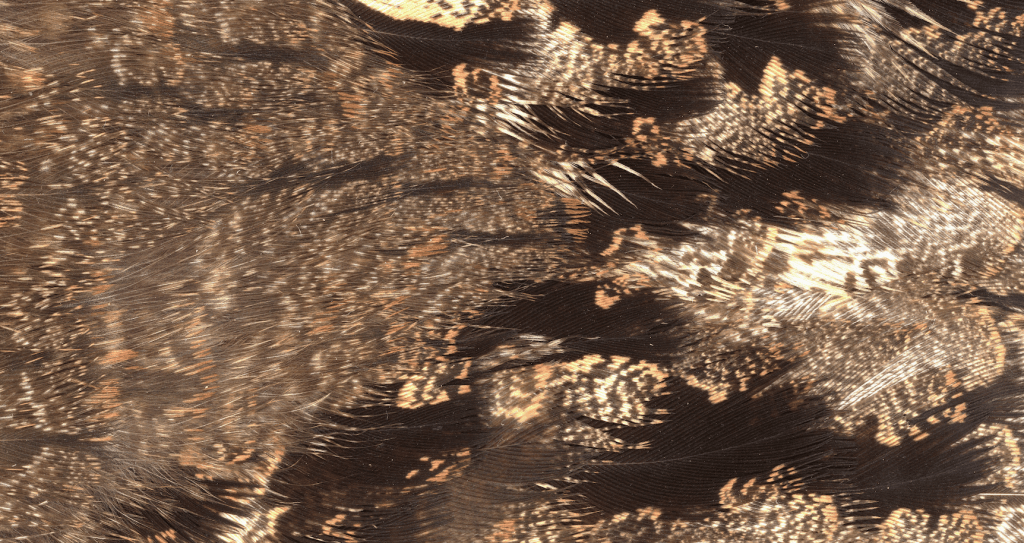
I'm excited to share news about the book as it happens! For now, I'll just say that the last thing I did to complete the book was visit the Museum of Nature and Science in Denver. There, the collections manager in the Zoology collections was kind enough to create high-resolution images of Whip-poor-will feathering and their "toe comb" (or "pectinate claw"). Assuming the images work for the press, they'll make great additions to the book. Here's a small portion of the image of the feathering.
|
|
|
|
|
As this close up shows, Eastern Whip-poor-will feathering is impossibly complex, with patterns that move in unpredictable and, in my view, impossible to describe ways. Oh, and no two Whip-poor-wills look alike. (Well, to be more accurate, none of the 5 that I looked at look alike.) They're not even symmetrical, so their left and right halves don't even look alike. And why would they be symmetrical? After all, the habitat that they nest in is itself impossibly complex.
Photo courtesy Denver Museum of Nature & Science. Caprimulgus vociferus. DMNS:Bird:6399, dorsal feather pattern. CC BY-NC-SA 4.0
|
|
|
|
|
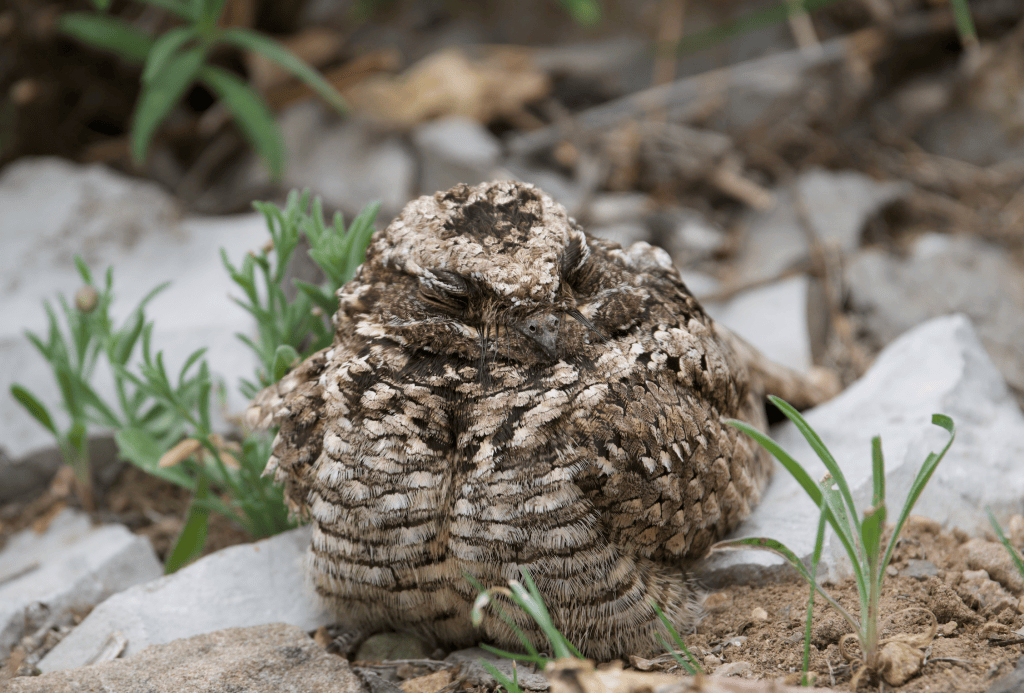
A cooperative Common Poorwill allowed for some good photographs as it spent an early-May morning roosting.
|
|
Last night (5/31), I visited poorwill habitat in Douglas County, Colorado, to hear my first poorwills of the year. Common Nighthawks, too, put on a show, flying low over grassy fields and scrub oak thickets, and giving their nasal "peant" calls as they did. All this happened as a Great Horned Owl pair sang a duet and Woodhouses's Toads creeped out along the walking trail.
|
|
|
|
Recently...
|
Speaking in Bird - Denver Field Ornithologists
|
Covering the many ways that birds and bird terms infuse the English language, my winter essay for Denver Field Ornithologist's The Lark Bunting was great fun to write. You can read it here.
|
Field Notes from the Underground - Denver Field Ornithologists
My spring essay for The Lark Bunting takes you underground, to the tunnels and burrows where you can find North America's subterranean nesting birds. Read it here.
|
|
Around the birding world...
|
The New York Times has a short article on podcasts for birders. I was super excited to see that one of my favorites, The Field Guide Podcasts, made the list! (Want to give it a try? Start with episodes on some of my favorite plants from childhood: Jack-in-the-pulpits or Skunk Cabbage!)
|
The actor, author, and birder Lili Taylor was fortunate enough to hear a Chuck-will's-widow calling in late March of this year. Her lovely essay on the bird led her to look into Whip-poor-wills, too, and their decline across their breeding range.
|
& looking ahead
|
My summer essay for Denver Field Ornithologists tells the story of two birds who arrived in my suburban Denver neighborhood since I moved here in 2016: Western Flycatchers and Eastern Phoebes. Flycatchers both, but representing rather different regions of the United States, the two species have changed the aural landscape of trails near my home.
|
|
|
|
|
|
"To sleep where you may hear the whip-poor-will in your dreams!"
- Henry David Thoreau, 1851
|
lonesomewhippoorwill.com
jared@lonesomewhippoorwill.com
|
|
|
|
|